Joe Root scripts ODI history with six consecutive fifties as England pile on 387 at Lord’s
Root finished 74 not out off 49 balls to become the first England batter to record six successive ODI scores of fifty or more. The stand-in captain’s knock capped a 387 for 3 built on a 192-run opening partnership between Ben Duckett and Jacob Bethell.

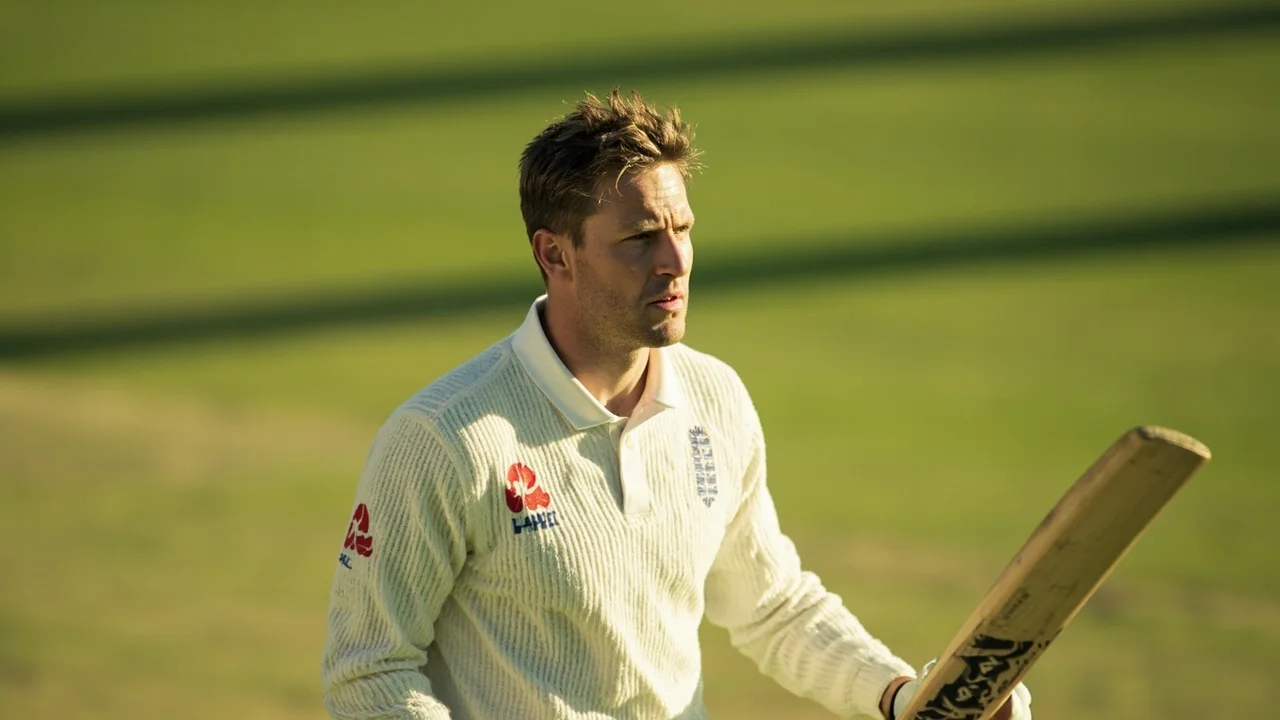
Joe Root etched his name into England’s ODI record books on Sunday afternoon, becoming the first batter from the country to register six consecutive fifty-plus scores in the format. The unbeaten 74 off 49 balls at Lord’s extended a sequence that now reads 61, 75, 111 not out, 76 not out, 99 not out and 74 — six innings in a row at fifty or above, a run no England batter has produced before him in one-day internationals.
The milestone arrived in the series-deciding third ODI against India, a match England treated as a chance to reset the rhythm of a tour that had swung one way then the other. Batting first after losing the toss, England finished on 387 for 3, a total built on a 192-run opening partnership between Ben Duckett and Jacob Bethell and a closing assault from Jos Buttler that took 13 balls and 41 runs.
How the record came together
The first half of Root’s sequence stretches back into the earlier stages of England’s ODI programme, where his usual role has been to absorb the new ball and rebuild. Over the course of this run he has changed his entry point. Against India at Lord’s he walked in at first drop, faced the spin matchup that India had planned for the middle overs, and still found a way through.
What separates this sequence from earlier stretches in Root’s career is the tempo. Three of the six scores — 111 not out, 99 not out and the 74 at Lord’s — have come at a strike rate above 130. That is not how the stereotype of Root’s ODI batting used to read. The accumulation remains, but the boundary share has climbed, and the field restrictions in the closing overs have given him license to lift cleanly over the leg side.
The opening partnership that set it up
Duckett and Bethell’s stand of 192 was the kind of partnership that takes a chase equation out of a contest before the second new ball is due. Duckett’s 141, his highest ODI score, came off 132 balls with sixteen fours and three sixes. Bethell’s 91 was the more surprising number, both because of his age and because the pitch offered turn from the pavilion end as the innings wore on.
India’s attack had to work around the absence of Jasprit Bumrah, ruled out because of reactive swelling in his left knee after an impact injury in the second ODI. The four-man pace unit that replaced him conceded runs at intervals, and the captain rotated the bowlers quickly enough that the asking question changed several times in an over. By the time the first wicket fell, in the 28th over, the platform was already beyond reach.

What Bumrah’s absence changed
Bumrah’s knee issue is the kind of injury that becomes a series storyline even when the rest of the attack is fit. India’s seam plans, especially at the death, are written around his yorker length and his slower bouncer variation. Without him, the captain had to lean on the part-time options and a fifth-bowler seam-up plan that the Duckett–Bethell stand was always going to expose.
It is not the first time an India attack has had to plan a 50-over innings without Bumrah in the last two years, but the conditions at Lord’s — short square boundaries, a flat surface in the morning and turn only late — meant the load on the remaining bowlers was heavier than a typical seam-friendly venue. The 192-run opening stand was the clearest sign of how that load played out.
Why the sequence matters for Root’s standing
The conventional milestones for top-order ODI batters are averages, centuries and conversion rates. A run of six successive fifty-plus scores belongs to a different category: it speaks to consistency across match conditions and matchups, and to a batter who is rarely dismissed cheaply even when the innings calls for reinvention.
Root has now done what the previous record-holders in England ODI cricket — a list that includes several of his own predecessors — did not. The closest comparable sequence was three fifties in a row, recorded more than once. Six in a row is uncharted territory for an England batter, and the fact that three of those six have been unbeaten tells you how often he has been the set batter when the lower order has finished the job.
What Buttler’s cameo tells you about England’s shape
When Buttler came in at the fall of the third wicket in the 41st over, the situation was already controlled. England were 320 for 3 with eight overs left, and the question was whether to push for 400 or hold for 380. Buttler chose 400. His unbeaten 41 off 13 deliveries included four sixes and a four, all on the leg side, and it changed the kind of chase India would face later in the day.
It is the second time in this series that Buttler has passed 35 off fewer than 15 balls. That is not a trend by itself, but it is a signal of where England’s batting depth has moved since the last ODI cycle. The lower order no longer needs to survive for the top order to post a competitive total; it can finish the innings at pace.
How the surface played
The Lord’s surface on Sunday did two things. In the first ten overs, it offered lateral movement to the seamers who hit the seam hard, and a few deliveries stood up off a length. By the 20th over, the surface had flattened, and the boundaries on the off side were short enough that any delivery pitched on the fourth-stump line could be driven. The spinners, both India’s left-arm wrist-spinner and England’s part-time off-spin, found turn only when they bowled slower and fuller.
For India’s chase — if and when it begins — the pitch will behave closer to how it played in the back half of the England innings. Dew is forecast for the second innings, which will reduce grip for the spinners in the middle overs. The asking rate, however, will sit at more than 9.75 from the start.
What to watch in the chase
- Whether India open with the left-right combination that took the attack to England’s seamers in the first ODI, or hold one of the openers back for the middle overs.
- How England use the part-time spinners in the middle phase, where India’s set batters tend to attack.
- The wicketkeeper-batter matchup in the 45th over — England have held their wrist-spinner for the second new ball in this series; whether that plan survives a target of 388 will tell you how the dugout is reading the chase.
Where Root’s form leaves England going into the rest of the tour
England’s summer still has the T20 leg against the same opposition and a longer build-up to the home Test series. The ODI run, however, has done what England’s management wanted it to do: it has restored the feel of a settled middle order, identified the role the younger batters — Bethell in particular — can play, and given the captaincy group a clear first-choice XI for the format.
Root, who had a quieter Test summer by his standards, now goes into the T20 phase with six ODI innings of fifty or more behind him and a record that even his own previous career had not produced. The chase, when it starts, will decide the series. But the batting record of the day is already written.
FAQ
What is the exact sequence of Root’s six successive ODI fifties?
The run reads 61, 75, 111 not out, 76 not out, 99 not out and 74 not out, with the final entry coming at Lord’s on 19 July 2026. Three of the six scores have been unbeaten, which is unusual for a sequence this long.
Why is this a first for England?
No England batter before Root had recorded six successive ODI scores of fifty or more. The closest comparable streak was three in a row, recorded more than once in the format’s history. Six in a row is therefore the new England benchmark, regardless of venue or opposition.
Why was Bumrah not playing the decider?
He was ruled out because of reactive swelling in his left knee following an impact injury sustained during the second ODI. The India management confirmed the update before the toss; his availability for the early matches of the T20 phase is still to be reviewed.
For the rest of the evening’s coverage and the start of India’s chase, the latest from the newsroom is updated as the innings progresses.
Continue reading