Home › Newsroom › Analysis › The Hundred
London Spirit vs Southern Brave: Match 16 at Lord’s puts T20 milestones within reach
London Spirit host Southern Brave in Match 16 of The Hundred Men’s 2026 at Lord’s Cricket Ground on Saturday at 10:30 PM IST. Both sides sit on a single group win, while several senior T20 careers are one or two contributions away from career landmarks.
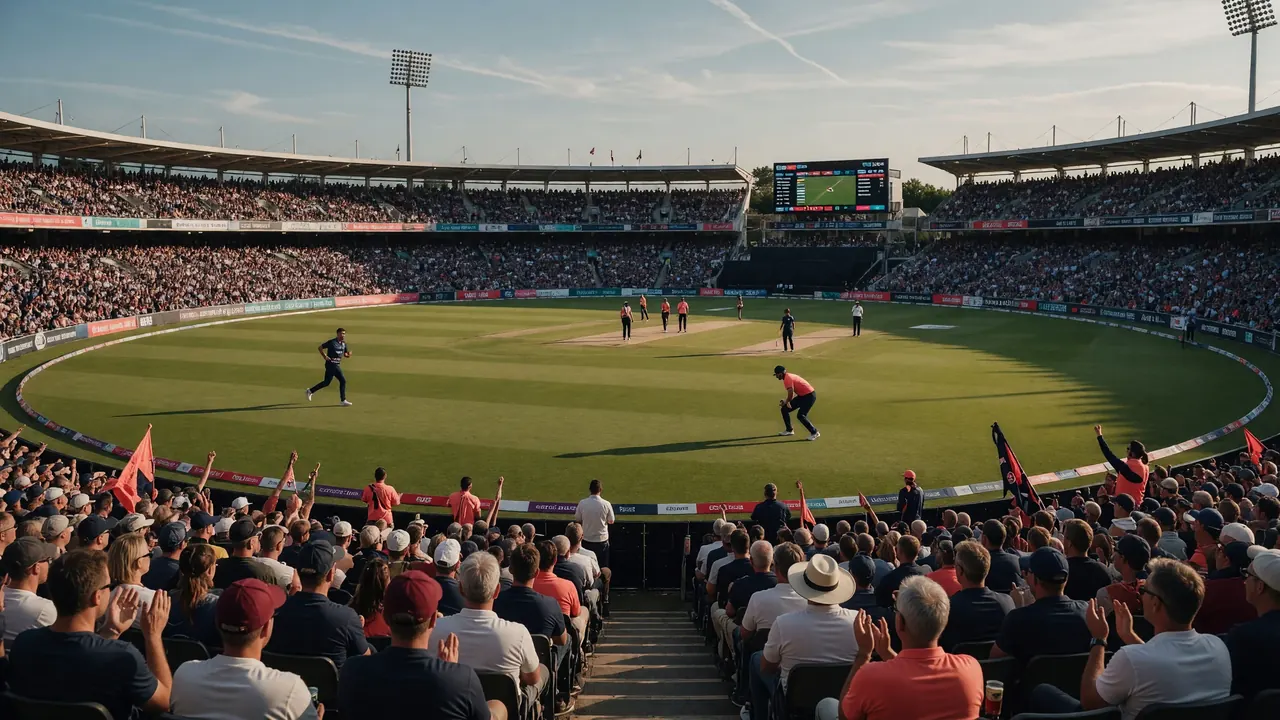
Match 16 of The Hundred Men’s 2026 brings London Spirit and Southern Brave together at Lord’s on Saturday evening, with the first ball scheduled for 10:30 PM IST. The fixture is not yet a pure knockout, but the standings already treat it that way for one of the two sides.
Each team plays eight group matches in the competition. The side that finishes top of the table advances straight to the final; the second- and third-placed teams meet in the eliminator. Southern Brave have completed four group games and hold only one win, so the arithmetic is tight: four victories from the four remaining fixtures is the clean path back into serious contention. London Spirit also have a single win, but they have played only three matches, which leaves them a fuller set of fixtures and a cleaner recovery window if they take this contest.
Southern Brave arrive with the lift of a win in their previous outing. That result does not erase the earlier three defeats, yet it does change the dressing-room tone for a Saturday night at Lord’s, where Spirit will look to convert home conditions into a second group success and keep their own climb intact.
Why the table still bites for Southern Brave
Four group matches is half the season in The Hundred. Sitting on one win at that stage leaves Southern Brave with almost no margin for another soft night. A loss at Lord’s would leave them needing near-perfect results from the remaining programme while watching other sides bank easier points. The previous-game win matters because it stops the narrative from becoming purely defensive; Brave can still frame Saturday as the start of a four-match surge rather than damage limitation.
London Spirit’s position is more forgiving on paper. One win from three is not a statement season either, but the unplayed fourth, fifth and later fixtures give the home side room to absorb a single setback that Brave no longer have. That is why a Spirit victory would do more than add a second win: it would stretch the gap in available recovery games between the two camps and push Brave deeper into must-win territory for the rest of the group stage.
Lord’s itself is not a neutral detail. Spirit’s home nights often reward disciplined seam lengths and calm middle-overs bowling more than pure power-hitting, and Brave’s recent form suggests they still need both ends of the innings to click on the same evening. For a fuller reading of how short-format group tables punish early losses, our match analysis desk tracks similar recovery patterns across T20 leagues.
Bowling landmarks that can move in a single spell
Several of the evening’s personal targets sit with the ball. David Willey has 387 T20 wickets and needs four more to move past Lasith Malinga on the all-time list. Four wickets is a tall order in a 100-ball contest, but the landmark is close enough that every new-ball or death over Willey bowls will be watched against that number, not only against the Spirit scoreboard.
Adam Zampa’s chase is tighter. He has 422 wickets in 340 T20 matches and sits tenth on the all-time T20 wicket list. Two more wickets would take him past Adil Rashid and into ninth. In a competition built around short spells, two wickets is a realistic single-night return for a wrist-spinner who is used through the middle and at the death.
Rashid’s own Hundred ledger is also live. He needs two more wickets to become the leading wicket-taker in The Hundred men’s competition. That target sits alongside Zampa’s all-time chase and gives the fixture a dual spin subplot: one man hunting a global ranking move, the other hunting the competition’s all-time bowling crown on the same night.
Adam Milne is four wickets short of becoming the fourth-highest wicket-taker in The Hundred men’s competition. Like Willey, he is not guaranteed a four-wicket haul in 100 balls, yet the proximity of the mark means any spell of two or more will redraw the competition bowling table even if the full jump waits for another night.
Batting tallies that sit one innings away
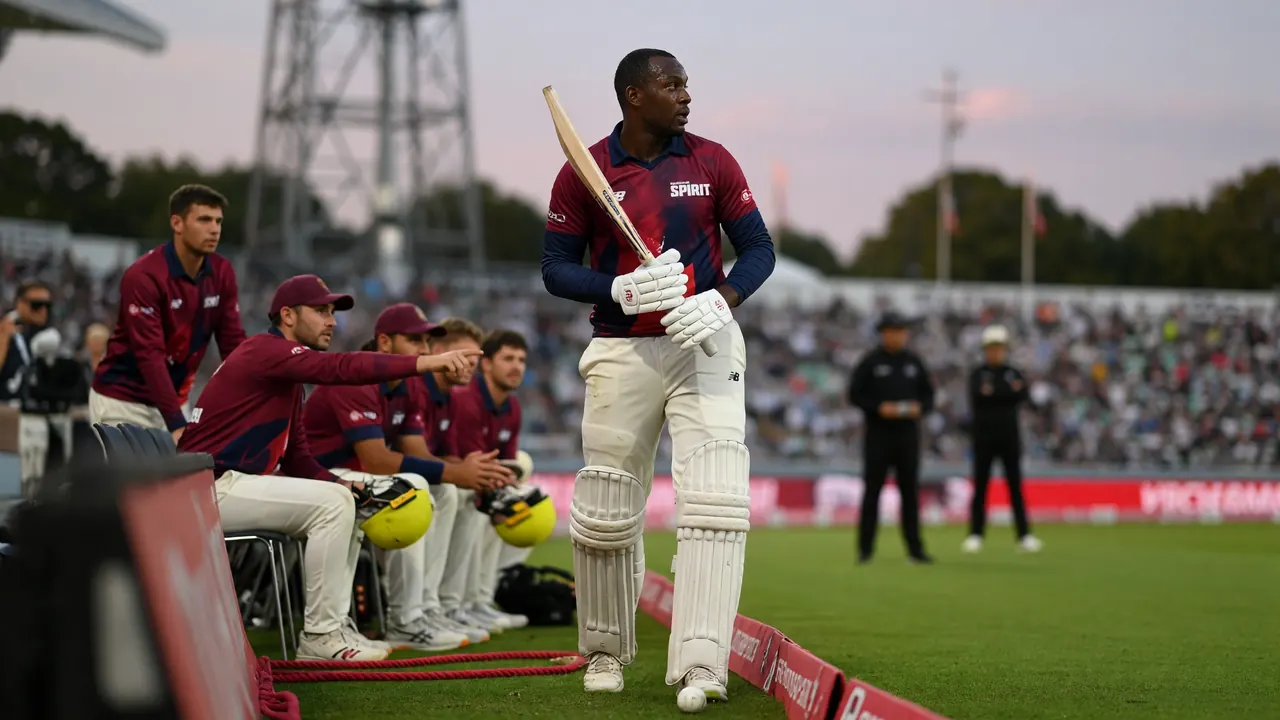
The batting list is equally busy. Marcus Stoinis needs three sixes to reach 350 T20 sixes. In The Hundred, three clean hits over the rope is a realistic return for a middle-order hitter who gets a full set of balls in the second half of an innings. The landmark does not require a fifty; it requires intent and a short boundary when the matchup is right.
David Miller’s numbers are larger and therefore slower-moving, but they remain close enough to matter across a short block of games. He has 12,181 runs in 572 T20 matches and needs 80 more to pass Colin Munro for 13th on the all-time T20 run list. Eighty runs is more than one ordinary night, yet a strong Lord’s innings would cut a visible chunk from that gap. Separately, Miller needs 12 more sixes to move past Rohit Sharma’s 568 T20 sixes. That sixes chase is independent of the runs chase: a low-scoring but aggressive knock can still move the sixes column even if the runs tally barely shifts.
Tom Abell is 21 runs short of 4,000 career T20 runs. Twenty-one is the kind of number that can fall in a calm 20-ball stay rather than a headline fifty, which is why Abell’s early balls will carry more than usual scoreboard weight if he walks out with the innings still in front of him.
Inside the competition itself, Liam Livingstone needs 85 more runs to overtake Will Jacks as the leading scorer in The Hundred men’s competition. Eighty-five is a heavy single-night ask, but it frames Livingstone’s remaining group fixtures as a sustained chase rather than a one-off. A solid score at Lord’s would not finish the job; it would keep the competition batting lead live into the final stretch of the group stage.
How the individual chases reshape team choices
None of these landmarks automatically change selection, but they do change how captains may use overs and batting slots once the match is live. Willey and Milne are more likely to be kept on for a second burst if the first over produces a wicket and the all-time or competition table is one scalp closer. Zampa and Rashid, needing only two wickets each for their respective targets, are the more realistic same-night movers and may therefore see earlier or longer spells if the match state allows.
With the bat, Stoinis and Abell are the players for whom a normal contribution can finish a career mark before the innings ends. Miller’s dual chase — runs toward Munro and sixes toward Rohit Sharma — rewards a free role in the back half of the order more than a purely accumulative one. Livingstone’s Hundred scoring lead bid is longer-term, yet a home crowd at Lord’s still creates the kind of stage where a captain is slow to hold him back if the required rate climbs.
Team needs still outrank personal ledgers. Southern Brave cannot afford a pretty individual night that ends in a loss; their four-from-four requirement means match state will always trump landmark hunting if the two collide. London Spirit have slightly more room to let a set batter finish a personal job, but only while the win probability stays intact. The cleanest nights are the ones where both interests align: a wicket-taking spell that also moves a career list, or a boundary-heavy cameo that both seals a chase and clears a sixes mark.
What Saturday actually decides
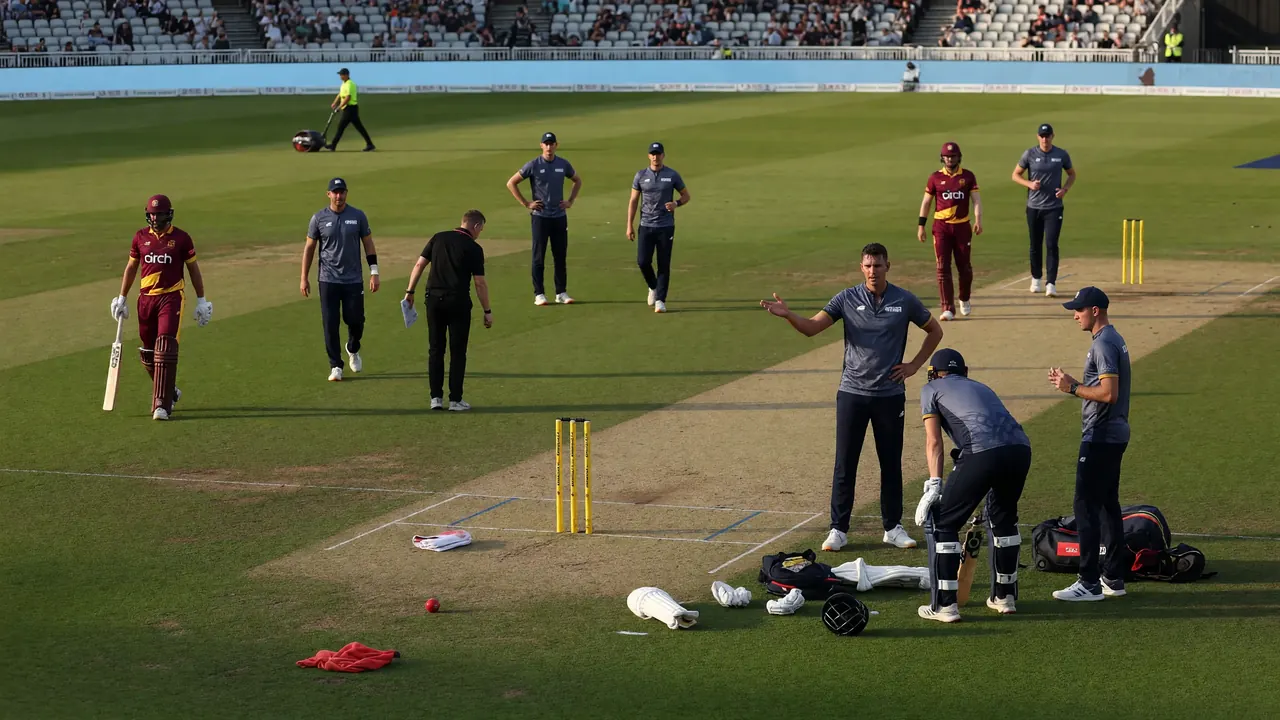
Beyond the personal tallies, Match 16 is a standings fork. A Southern Brave win keeps the four-from-four recovery plan alive and prevents the group table from closing early on a side that has already used half its fixtures. A London Spirit win would be their second of the campaign and would come with the bonus of leaving Brave with even less room for error in the remaining four.
The broader group picture still has several matches left, so neither result ends the season. What it does is reprice every later fixture. Brave already know that anything short of a late winning run leaves them watching the eliminator from outside. Spirit know that converting home advantage at Lord’s is the simplest way to turn a slow start into a mid-table climb while other sides are still trading blows.
For neutrals, the night offers a rare clustering of near-term records in one 100-ball window. Willey’s Malinga chase, Zampa’s move past Rashid on the global list, Rashid’s own push to top The Hundred bowling chart, Milne’s climb into the competition’s top four, Stoinis’s 350th T20 six, Miller’s twin pursuits of Munro and Rohit Sharma, Abell’s 4,000th T20 run and Livingstone’s bid to pass Jacks as The Hundred’s leading scorer will not all fall on Saturday. Enough of them are close, though, that the scorecard may need a second column by the time the last set is bowled.
How to read the night as it unfolds
Early overs will tell you whether Brave treat the contest as a four-match campaign opener or slip back into the stop-start pattern that left them with one win from four. Watch new-ball control first: if Willey or Milne strike inside the power window, both the match and the personal tallies move together. If Spirit’s top order settles, the pressure shifts onto Brave’s middle-overs plan and onto whether Zampa can manufacture the two wickets that rewrite the all-time list.
In the second half of either innings, the batting landmarks become clearer. Stoinis needs only three sixes; Abell needs 21 runs. Those are threshold numbers, not season projects. Miller’s 80-run gap to Munro will almost certainly survive one night, but his 12-six gap to Rohit Sharma can shrink quickly if he faces a full set at a favourable matchup. Livingstone’s 85-run chase to pass Jacks is the longest of the batting marks and should be read across the remaining group games rather than as a single-night assignment.
By the final set, the only number that truly resets the week is the result. Personal ledgers can wait a fixture or two. Southern Brave’s remaining margin cannot. London Spirit’s home night is the first clear chance to turn a one-win start into something sturdier before the group stage accelerates.
FAQ
When do London Spirit and Southern Brave play Match 16?
The fixture is scheduled for Saturday at 10:30 PM IST at Lord’s Cricket Ground in London, as Match 16 of The Hundred Men’s 2026.
Where do both sides stand in the group?
Southern Brave have one win from four group matches. London Spirit also have one win but have played only three games, leaving them more fixtures in hand after Saturday.
Which bowling landmarks are closest?
Adam Zampa needs two T20 wickets to pass Adil Rashid on the all-time list. Rashid himself needs two more Hundred wickets to lead the men’s competition. David Willey needs four T20 wickets to pass Lasith Malinga, and Adam Milne needs four Hundred wickets to move into fourth on the competition bowling list.
Which batting landmarks are closest?
Tom Abell is 21 runs from 4,000 T20 career runs. Marcus Stoinis needs three sixes for 350 T20 sixes. David Miller needs 80 runs to pass Colin Munro for 13th on the all-time T20 run list and 12 sixes to pass Rohit Sharma’s 568. Liam Livingstone needs 85 runs to overtake Will Jacks as The Hundred men’s leading scorer.
What happens if Southern Brave lose at Lord’s?
A defeat would leave them needing an almost flawless finish from their remaining group games to stay in contention, after already using four of their eight fixtures for a single win.
Continue reading